Intro

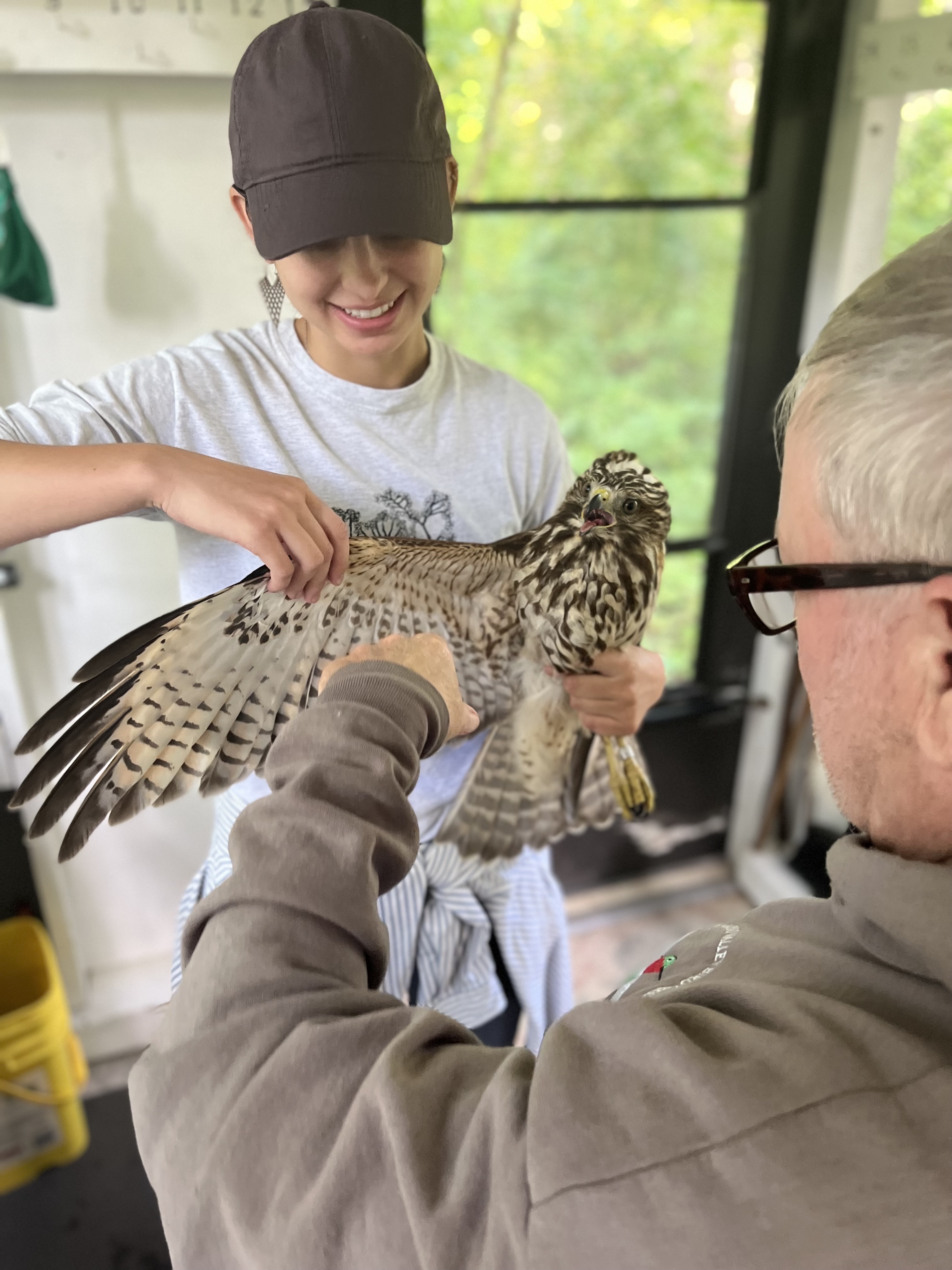
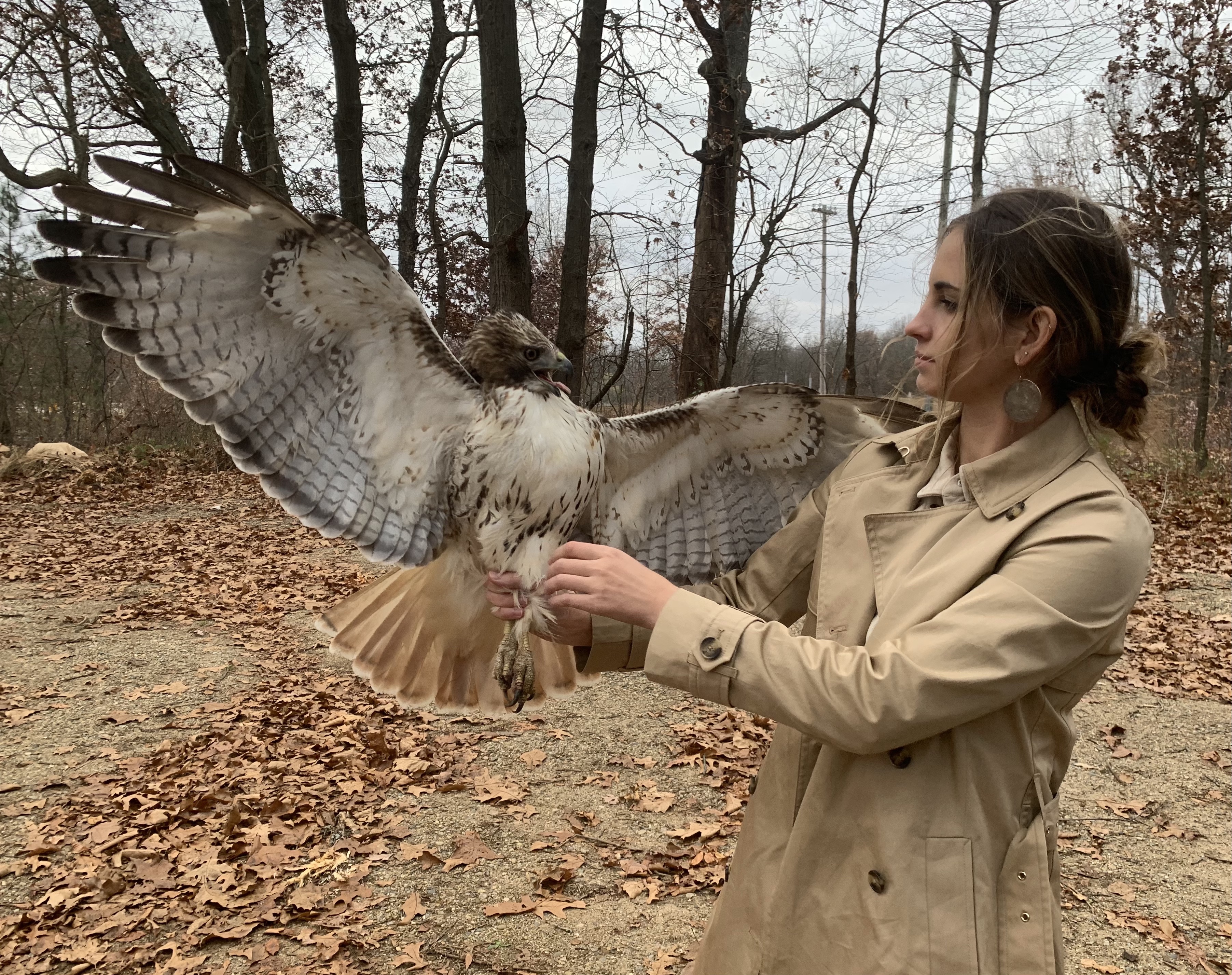
A Red-Tailed Hawk that I rescued and released from the highway. (While my hold was not the best, this was one of my first experiences holding a raptor and this was taken while I was examining the bird before release after consulting with a wildlife rehabber).

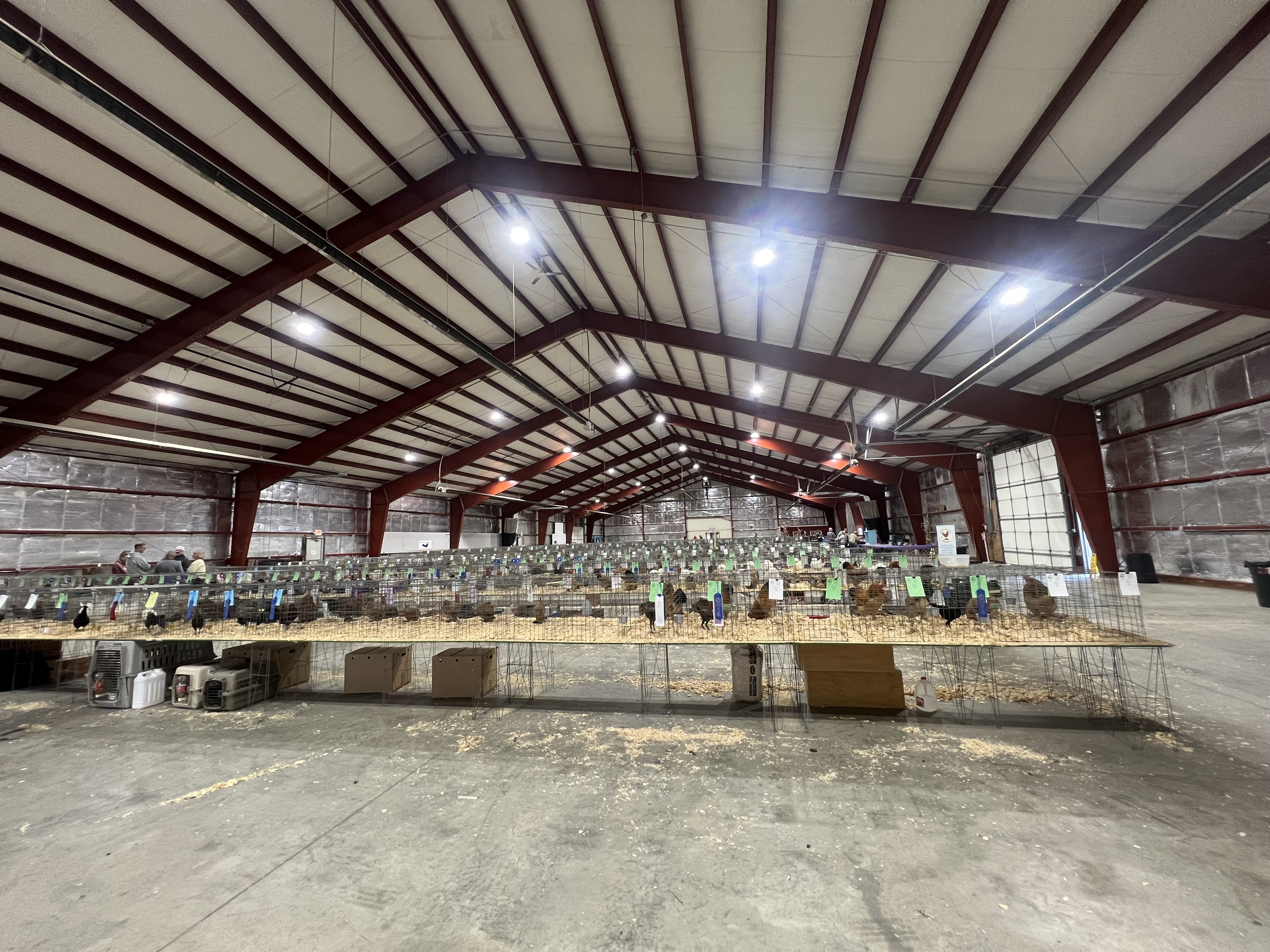
I have had the unique opportunity to experience bird conservation from a multitude of different perspectives. My first experiences with birds were primarily through domestic poultry. As a child, I would spend months studying and showing poultry. After years of showing, I was invited by a poultry judge to be an apprentice and learn the Standard of Perfection for judging poultry. I followed him across the state of Michigan, observing and training at different fairs until eventually, I received a call to judge a fair on my own.

Gradually, my interests broadened to other bird species and I became involved in banding passerine at my local bird banding station, training birds of prey at the nature center, and birding across the state. During my time at Kalamazoo College, I was fortunate to work with an ornithologist and learn about stress in birds (he was quick to correct me on this of course as he considers himself to be a "physiologist who uses birds as a model"). As a biology requirement, students at Kalamazoo College had to complete a senior research thesis. I was lucky and amidst the chaos of COVID, I moved to Kentucky to work with this professor on a project examining social buffering and stress response in tree swallow nestlings. Through this research, I became aware of the fact that this field of study could become a careeer.

During my final year of undergraduate study, I continued with bird banding projects and started a birding club, to introduce students to bird conservation and ornithology. We collaborated with local groups and assisted with bird-window collision monitoring, to assess the impact of buildings on campus. As my final year of undergraduate studies year progressed, I was offered a directorship at the Kalamazoo Nature Center where I had been volunteering for the previous two years. At the same time, I also took on a field assistant position for an avian sound ecology study. Needless to say, this was a particularly busy time as I completed my degree.

Since completing my degree, I continued to work for the Kalamazoo Nature Center, improving welfare and standards for birds of prey in captivity. I have since moved on for graduate studies in the Burness Lab at Trent University in Canada, studying the effects of anthropogenic stressors on breeding birds. While I have moved, my passions have persisted and I continue to collaborate with many of the same groups that I had previously, as well as many new ones. Today, I continue working with birds in my capacity as a researcher, avian collection manager, poultry judge, and falconer. In this living portfolio, you can find further details on my current work.

To this day I continue judging at poultry shows, in hopes that some young showman may find the same passion as I once did.
graduate work

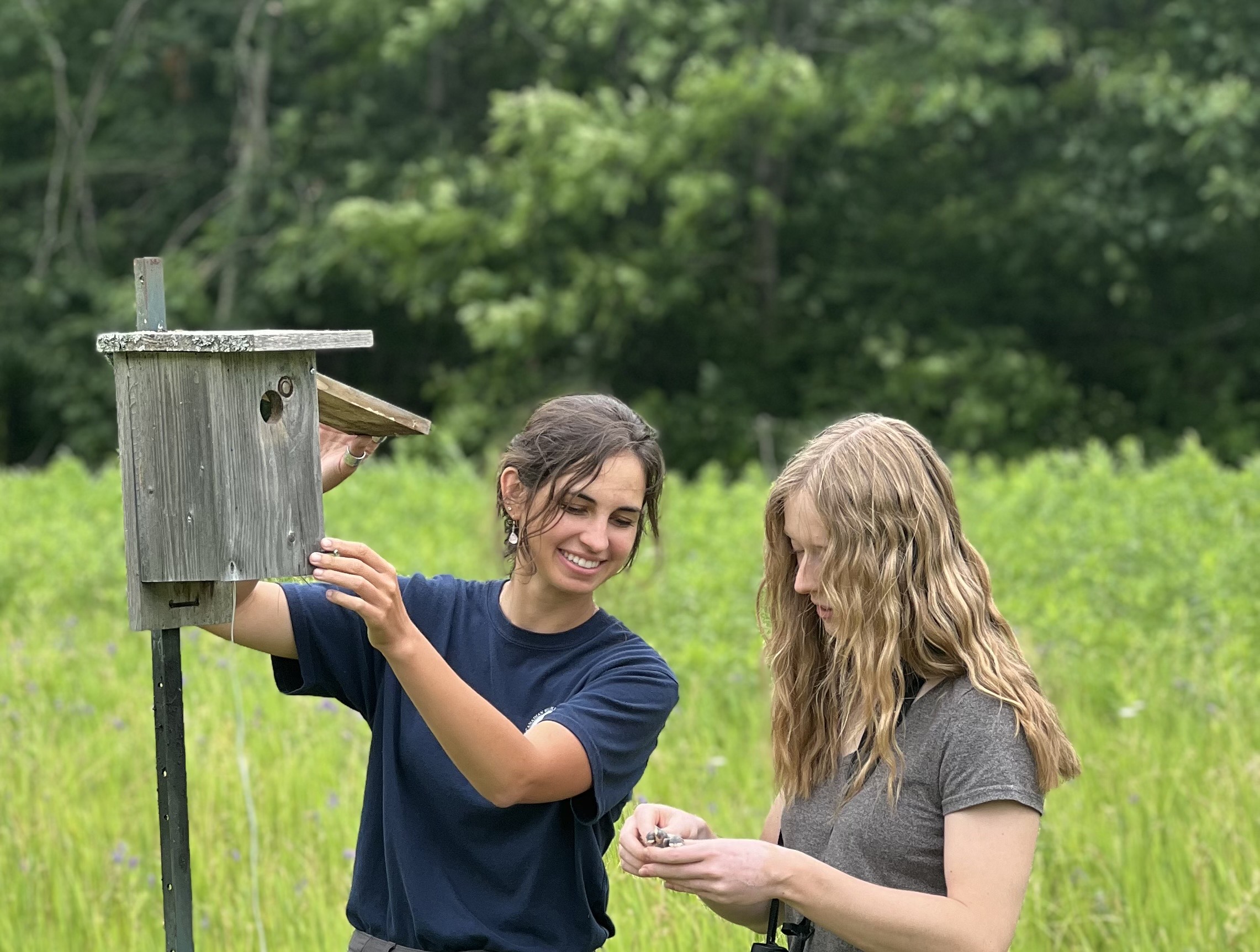
Teaching field assistants how to apply color bands, to distinguish between male and female Tree Swallows.

My research is focused on the impact of human activity on populations of wild birds. Humans have altered the environment drastically over the past 50 years and, as a result, wildlife populations have declined. While many studies focus on singular stressors, my interest is in the interactive effects of multiple stressors brought about by human activity. Below you can find a description of the specific research that my PhD encompasses. You can find our recent publication here.

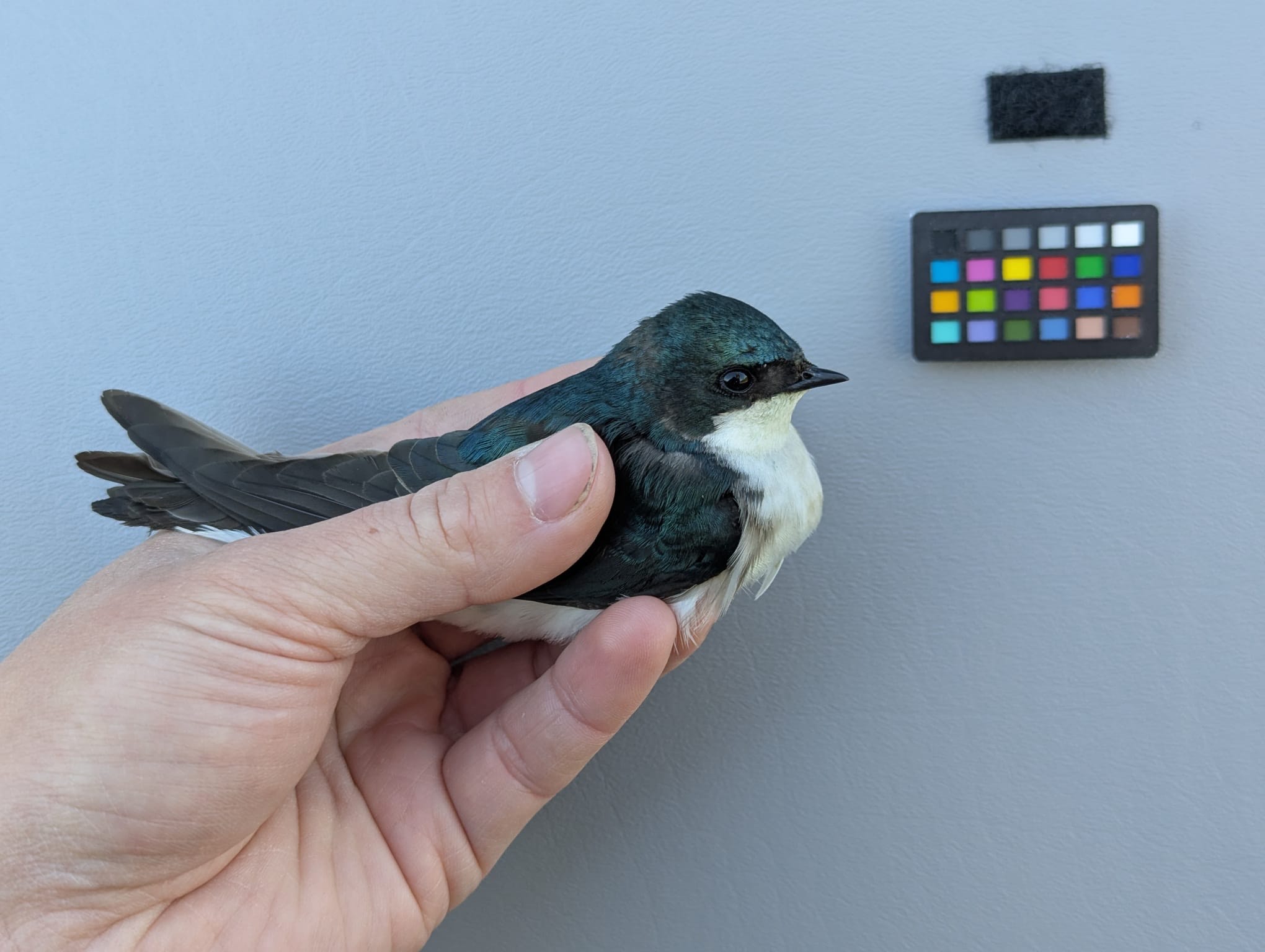
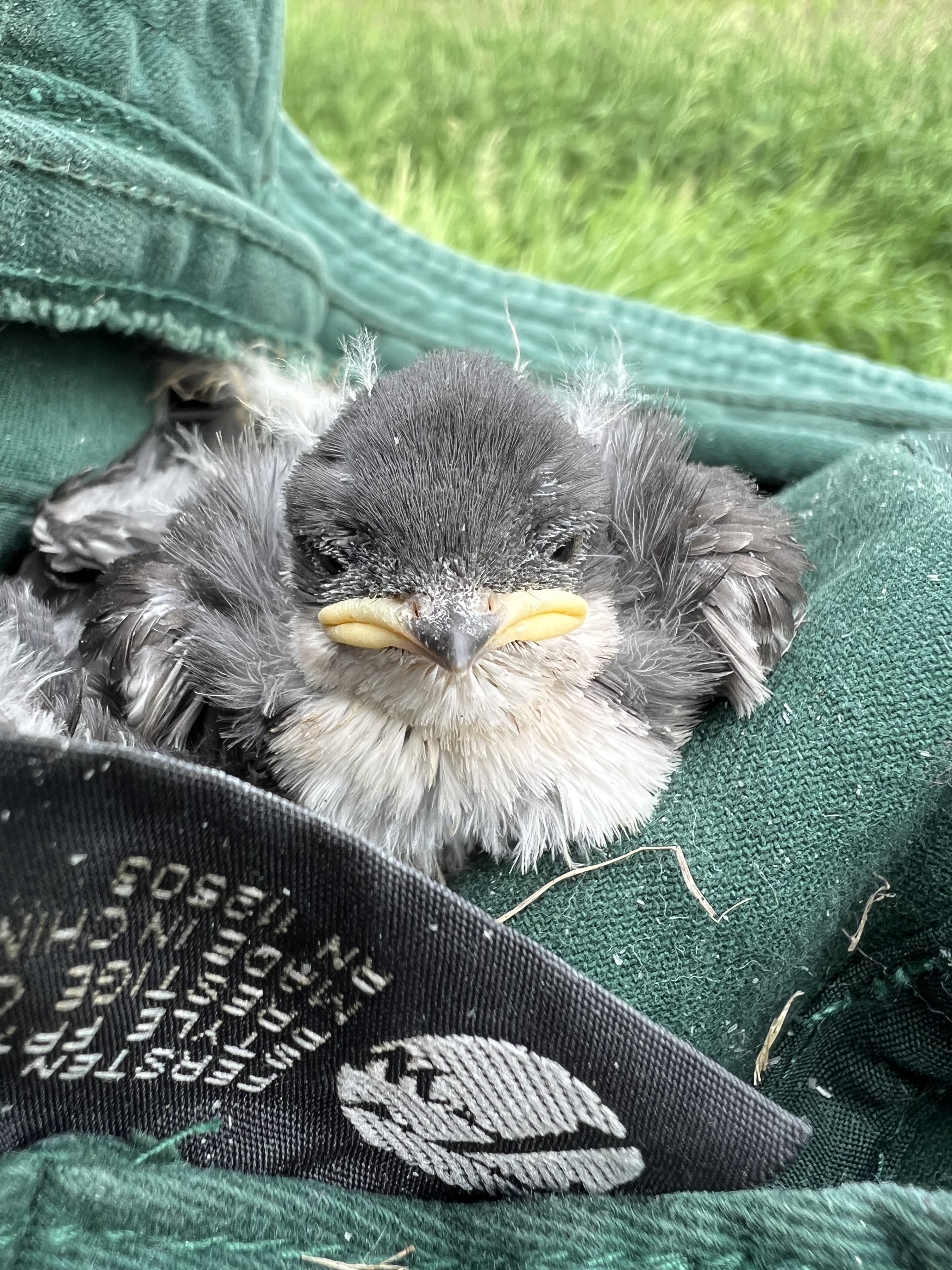
A nestling Tree Swallow. We record body measurements on nestlings to compare growth and development under varying conditions.

Climate change and urbanization have drastically altered habitats to such a degree that natural biological cycles are altered. Artificial light at night (ALAN) is one product of urbanization that can affect both the behavior and physiology of wild animal populations. This disturbance can occur when light exposure affects the circadian rhythms of the body. Since circadian rhythms are generated by environmental cues (like light), the effects of ALAN are of concern when it comes to already stressed wildlife populations as they may struggle to adapt.

Measuring a nestling Tree Swallow with calipers.

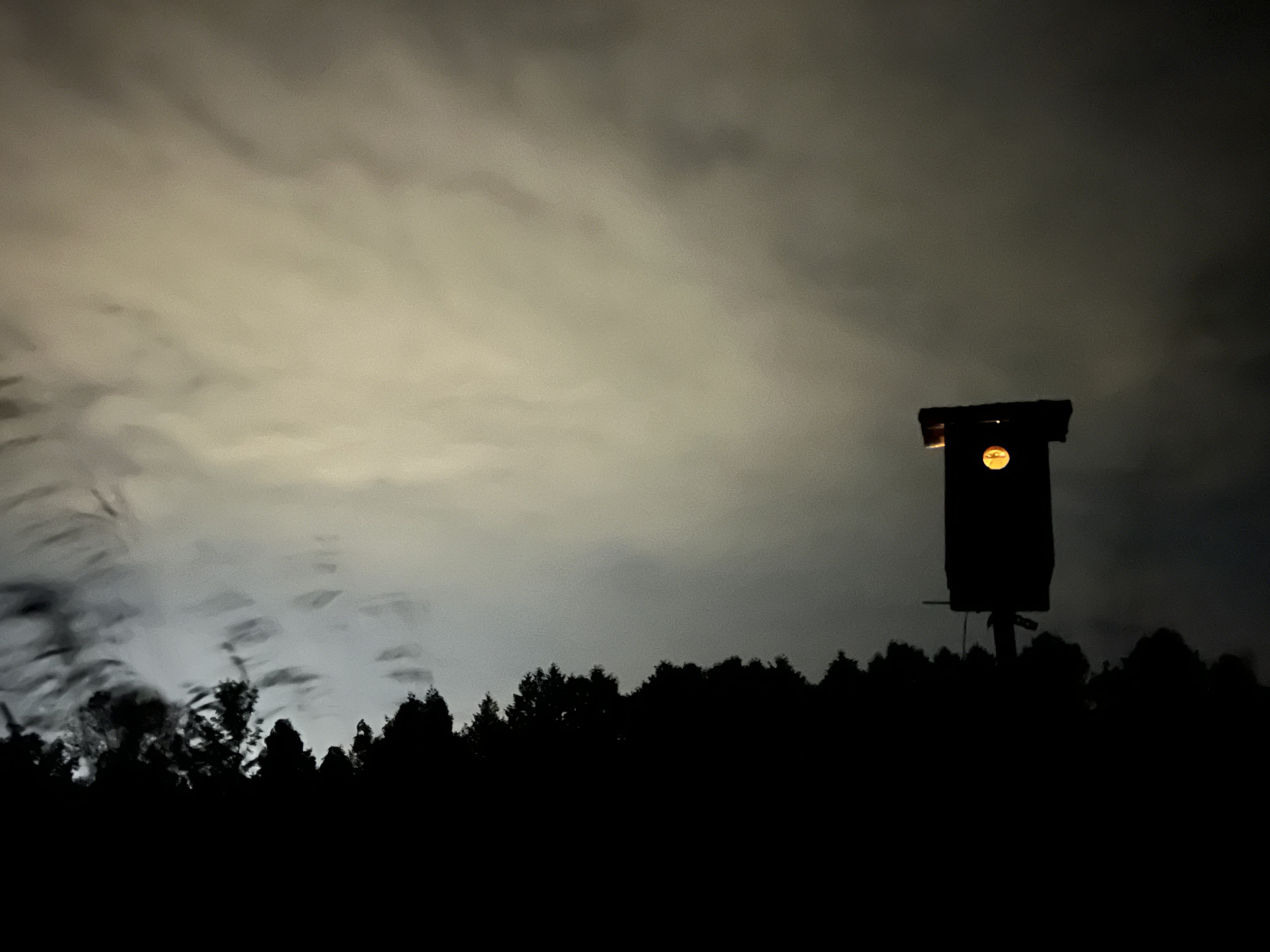
To better understand the effects of ALAN on wild bird populations my research focuses on the thermal responses of tree swallows to nighttime ALAN exposure. To test this, I installed small LED lights in bird boxes and measured activity level, core body temperature, along with endocrine parameters in blood samples. For a breeding population of birds, ALAN may have consequences for fitness and reproduction; further understanding of these consequences can better inform conservation practices in the future. See here for additional information about current work in the Burness Lab.

Working at Lakefield Sites.

About

Introduction

My work encompasses a broad range of topics, but my central focus is bird conservation. In both my professional and personal ventures, birds have been a common connector. My passion is to contribute to current research on conservation. As populations continue to decline, I hope that I may play a role in the many efforts to sustain these populations for the generations to come. I welcome any inquiries, collaborations, or feedback on this work, so please feel free to reach out. Likewise, if you have found a dead bird, please reach out with details for the Trent Study Skin Collection. Below you can find my latest projects.

Avian Research

A juvenile Red-Shouldered Hawk. Banded and released at the Pitsfield Banding Station.

Avian research has been a passion of mine for the past 5 years, and I have had the privilege to contribute to several long-term datasets through this work. I began bird banding at the Pitsfield and Kalamazoo Nature Center banding stations, and it is always a pleasure to return to those stations during my visits back to the States. Currently, I have taken on a role as bander in charge for the James Oliver station, banding Northern Saw-Whet owls.

An adult Red-Tailed Hawk. Banded and released in southern Ontario.

Wildlife Rehabilitation

My involvement in wildlife rehabilitation started as an extension of my training as Animal Programming Director at Kalamazoo Nature Center but persisted well after. I trained at Wildside Rehabilitation Center where I learned how to triage a variety of wildlife. My primary focus however was raptors. During my time at Wildside, I assisted in the rehabilitation and release of hawks, falcons, eagles, and owls, including species at risk. Below you can find the accounts of a few successful cases.

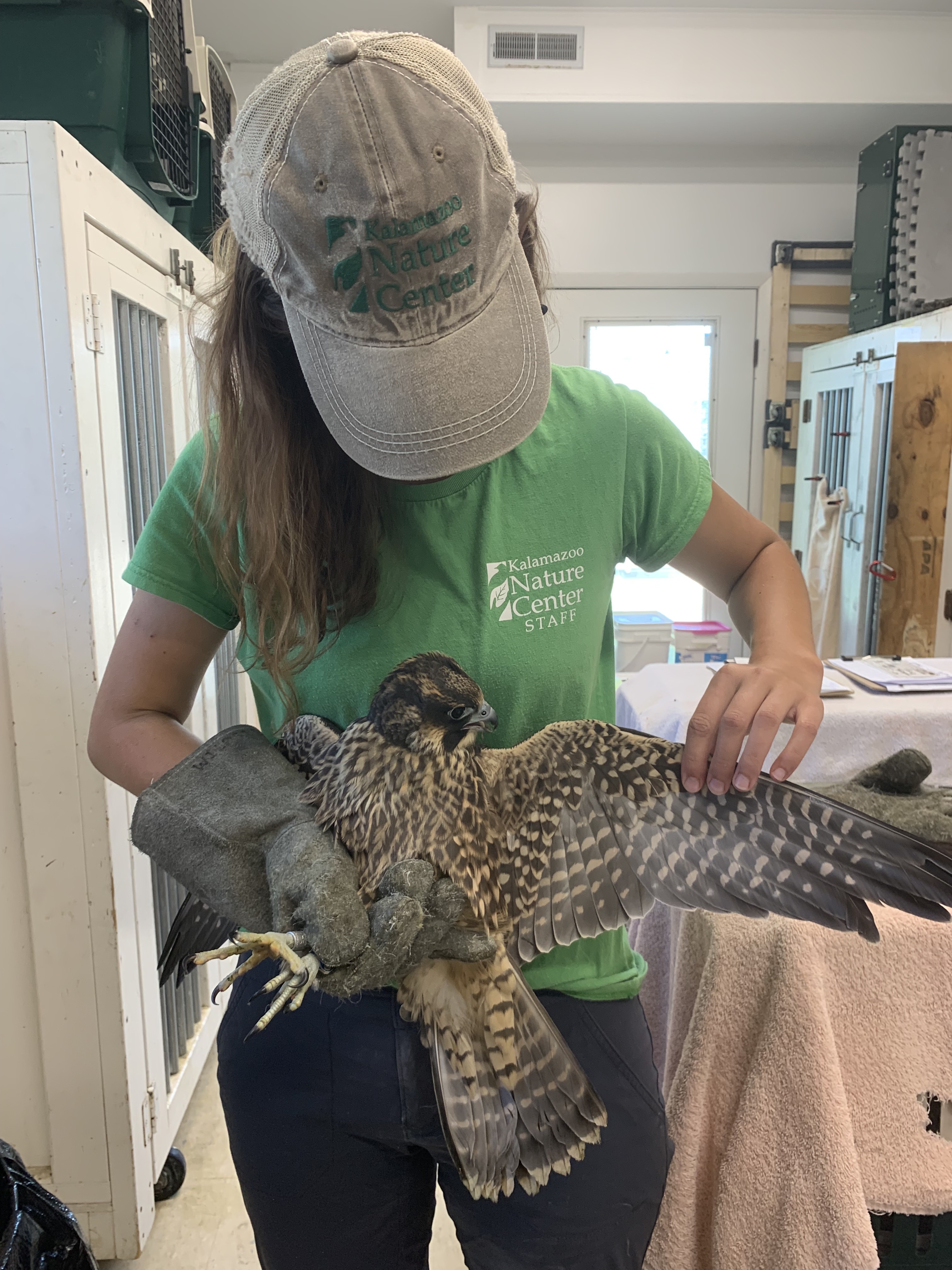
A juvenile Peregrine Falcon that was grounded in the middle of a busy city street after fledging. After 2 weeks of rehabilitation, she was successfully released in the city where she was found.
An adult Great-Horned Owl that was found grounded near a road, malnourished and unable to fly. After a few weeks of rehabilitation, she was successfully released.
A Red-Tailed Hawk named "Blaze" who was non-releasable. After training on foundational behaviors, he was placed with the Indianapolis Zoo as an animal ambassador.

While I have since moved out of state, I remain connected with local rehabbers and am happy to assist in the transfer of any injured wildlife to rehabilitation centers, to ensure they receive proper care.

Raptor Programming

Previously, I was the Animal Programming Director at Kalamazoo Nature Center. In this role, I designed and implemented new program material, training protocols, and aviary plans for Kalamazoo Nature Center's animal ambassadors.

In this role, I also updated bird of prey training to better align with industry standards, assisted with fundraising $80,000 toward enclosure renovations, and improved enrichment/health protocols to exceed DNR regulations and to support animal welfare in captivity. During this time, I also updated educational programs to better reflect conservation messages centered on themes of urbanization and climate change. Our team presented these programs throughout the community and partnered with organizations to connect underserved communities with nature.

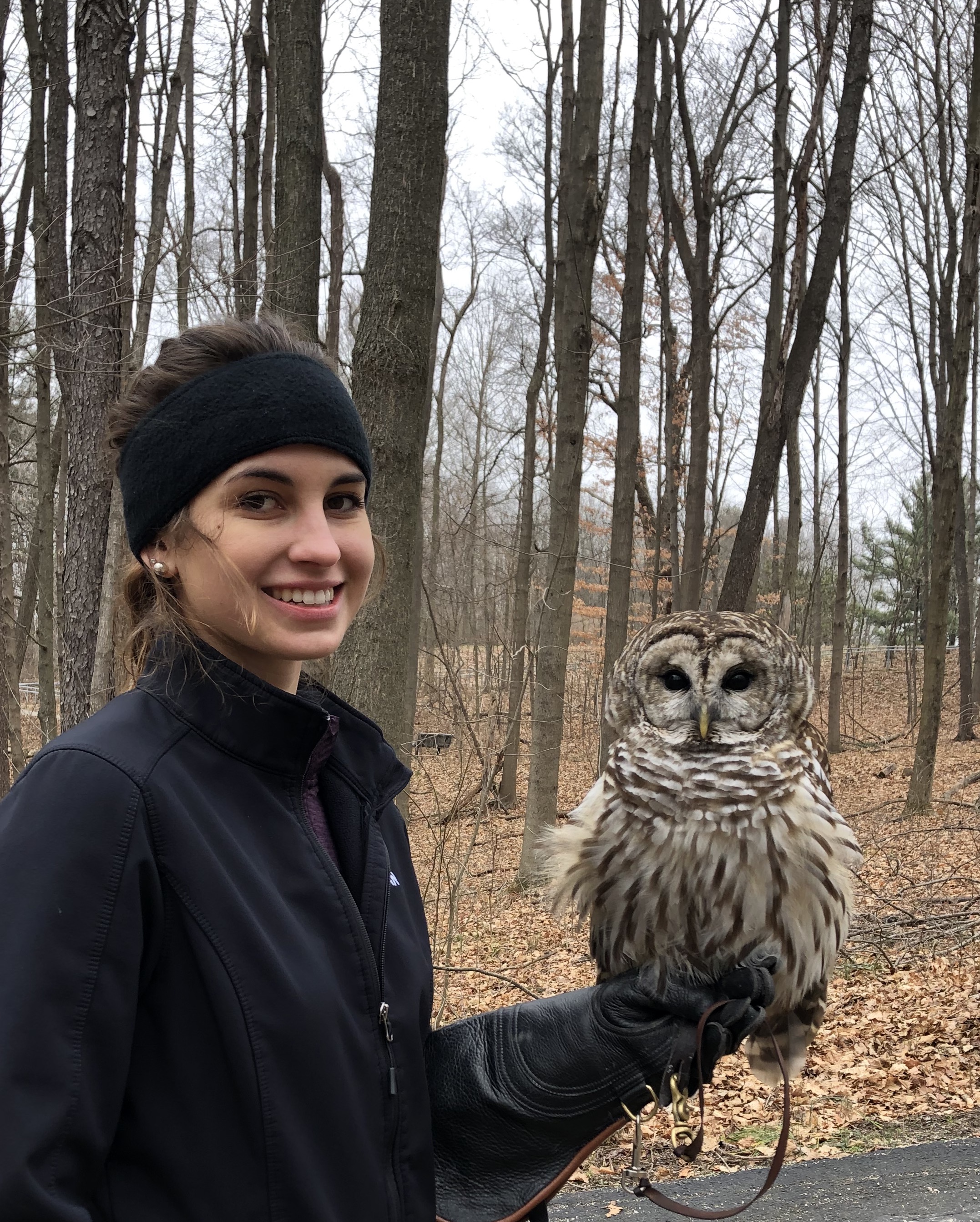
"Barred," one of the animal ambassadors at Kalamazoo Nature Center.

At Kalamazoo Nature Center, I glove-trained birds of prey (red-tailed hawk, peregrine falcon, broad-winged hawk, turkey vulture, screech owl, barred owl, and rough-legged hawk) utilizing reinforcement strategies. As programming director, I trained a team of 20 volunteers, educators, and staff on animal handling and medical care and introduced better welfare practices in accordance with the International Wildlife Rehabilitation Council's recommendations.

"P," a partially-flighted Peregrine Falcon who was training for public programming.

During my time at Kalamazoo Nature Center, I developed material for the "Up in the Air: Birds Navigating the Anthropocene" exhibit. The exhibit showcased the most relevant aspects of avian conservation and collaborated with local experts in the field to support content development. The exhibit was accompanied by the annual Zugunruhe Festival, a tribute to bird migration, showcasing talks from experts in conservation.

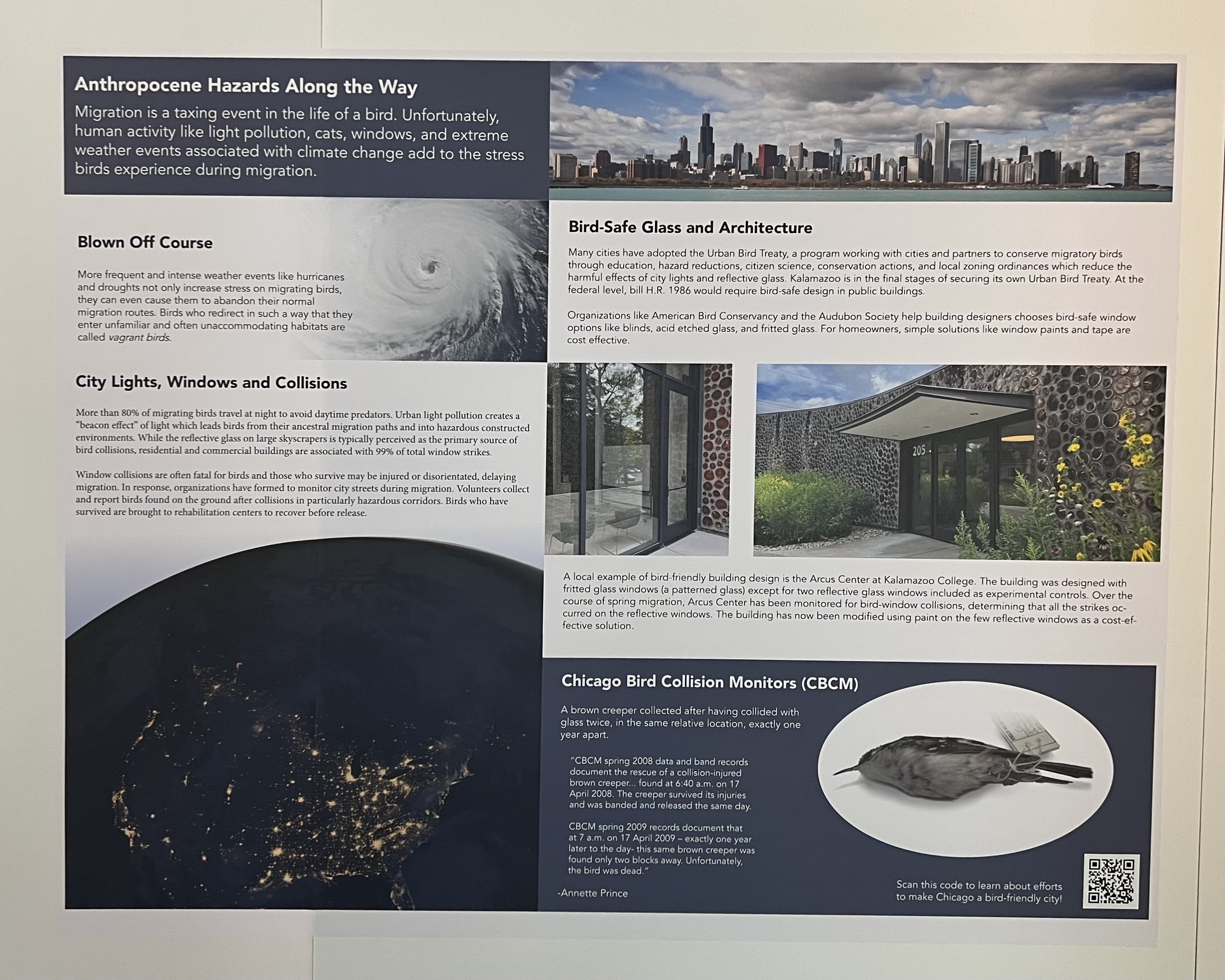
Content on window collisions that I developed for "Up in the Air: Birds Navigating the Anthropocene".
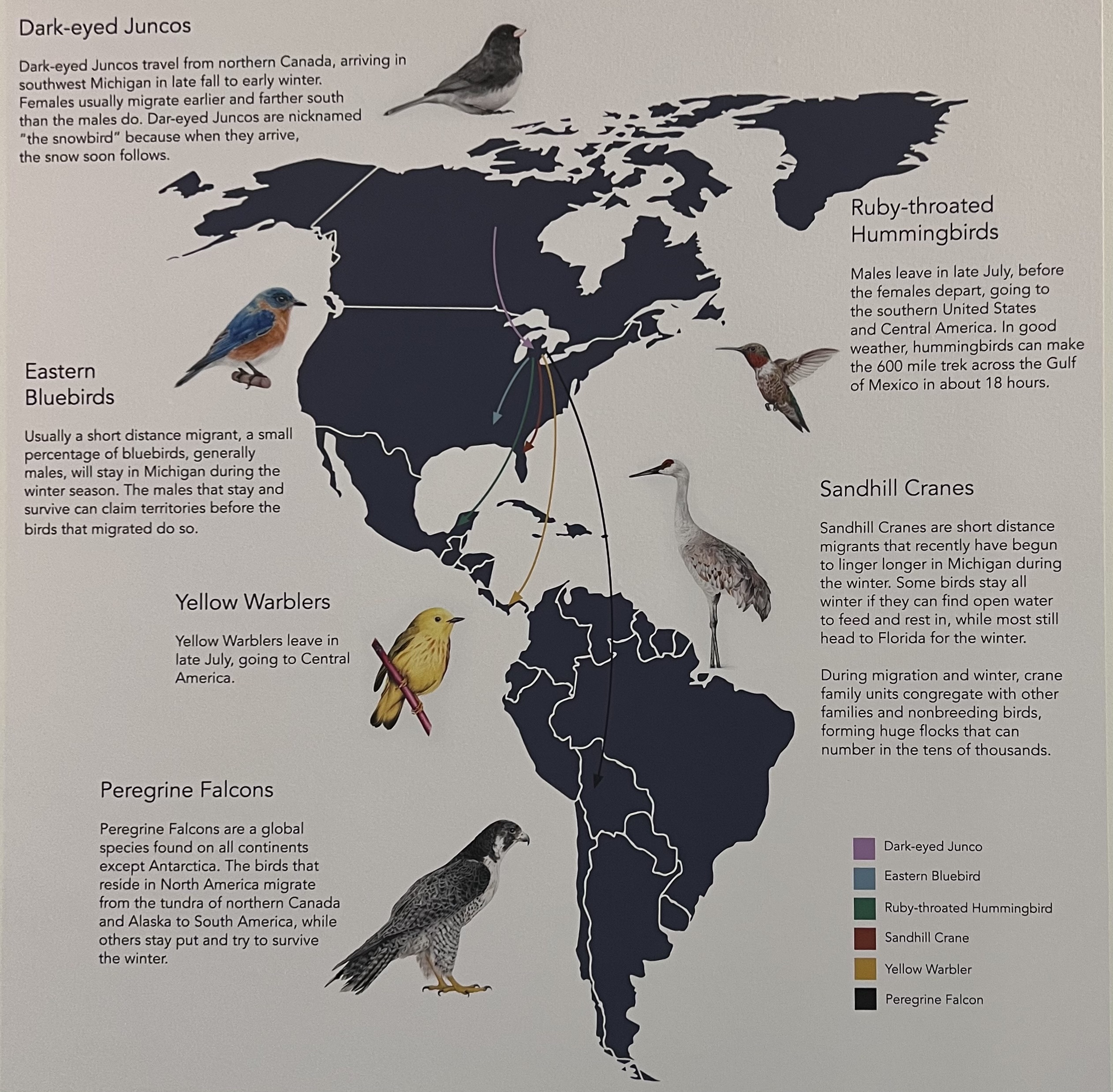
Content that I developed for "Up in the Air: Birds Navigating the Anthropocene".
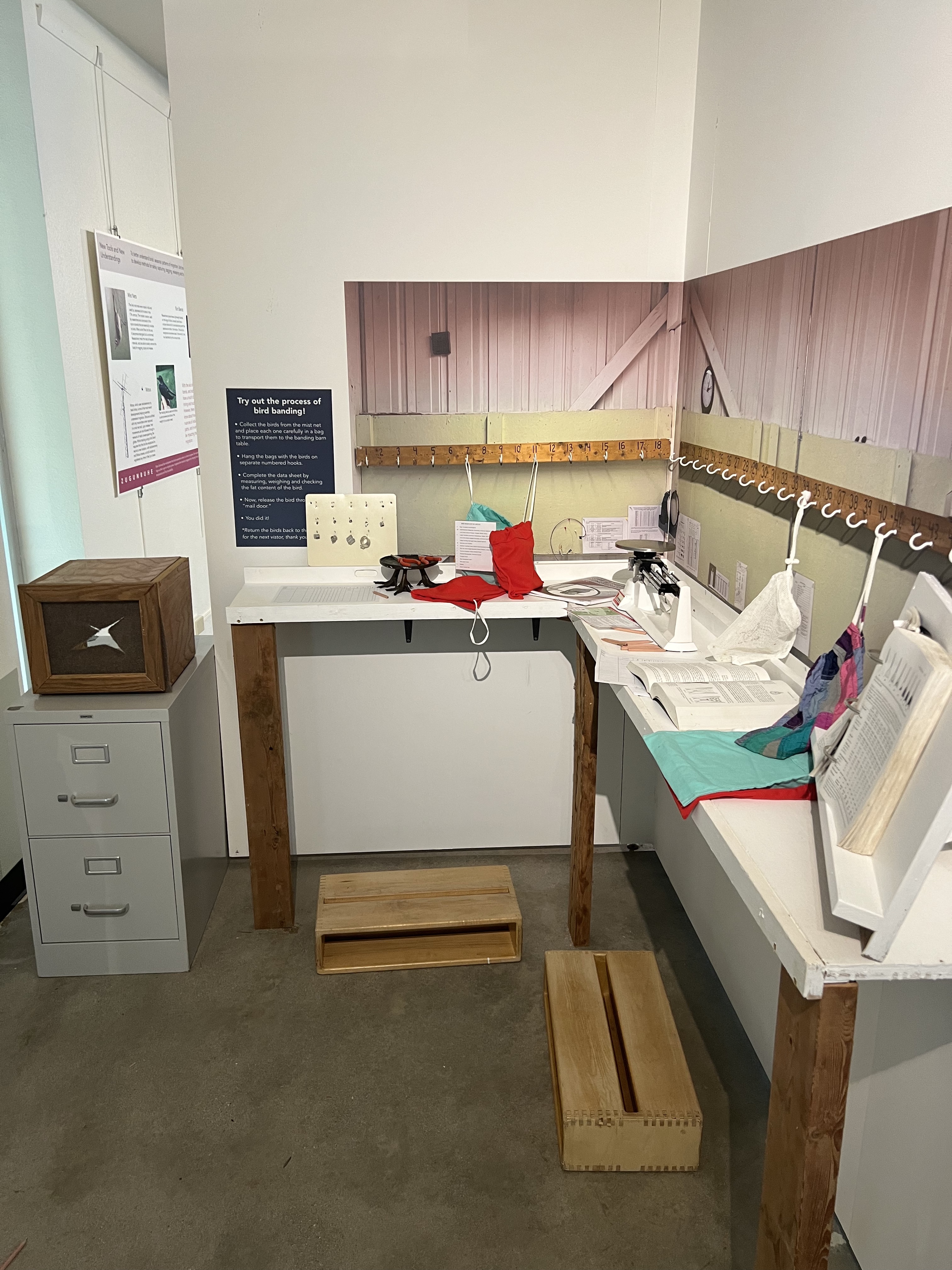
A reconstruction of the Kalamazoo Nature Center banding station that I built for "Up in the Air: Birds Navigating the Anthropocene," as a children's interactive exhibit.

While I have since left this role, I continue my association with the center and am proud to have seen through the final developments of the Kalamazoo Nature Center Aviaries and the transfer of birds to new habitats.

One of the 6 newly constructed aviaries at Kalamazoo Nature Center.

Current Projects

Public Programs

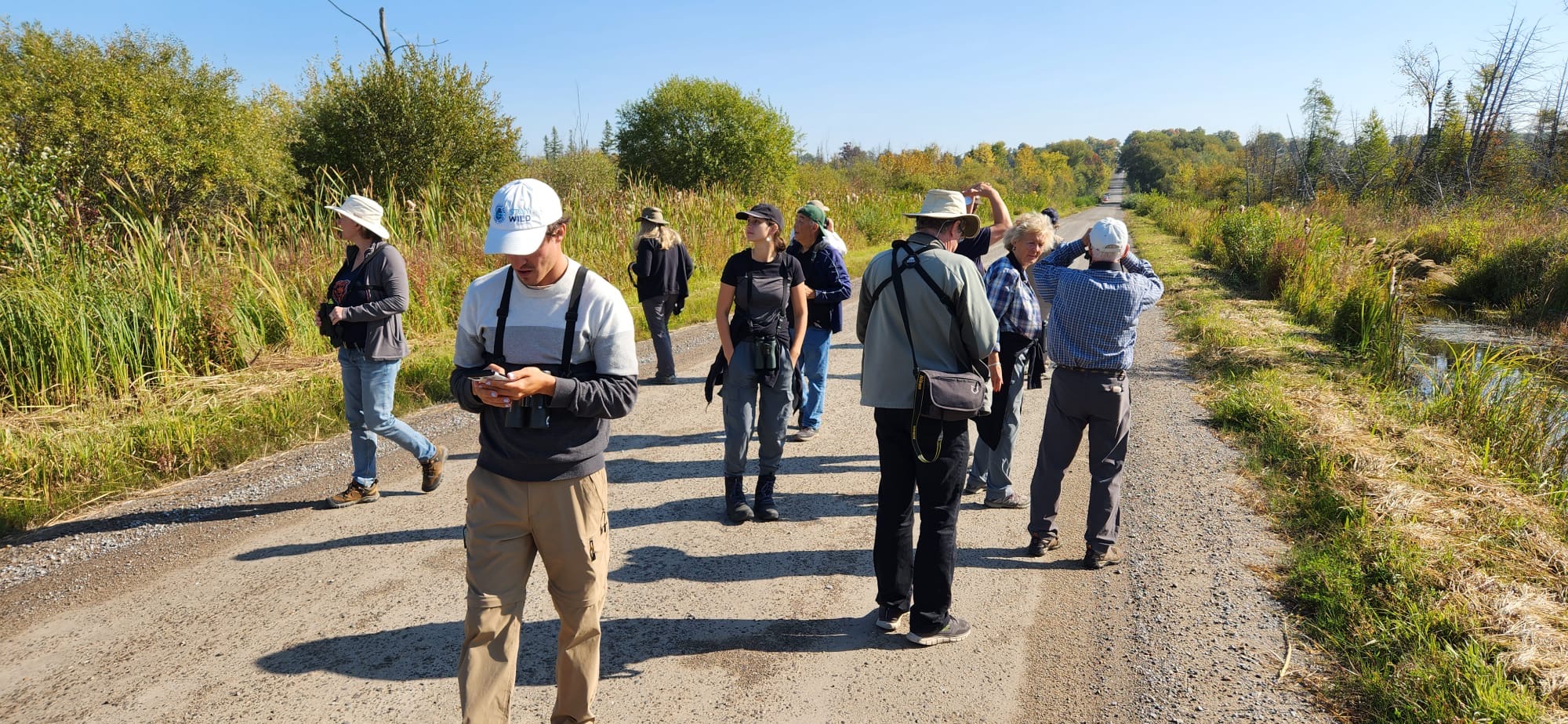
One of the recent birding walks that I recently co-led for the Ontario Field Ornithologists. Pictured: the group is busy trying to resight a Bittern.

Currently, I have resumed public workshops in collaboration with Ontario Field Ornithologists, Peterborough Field Naturalists, and Traill College, leading birding trips, avian study skin workshops, and beginning birding courses. My focus is to make science more accessible through outreach and conservation education. My hope is that my research will have a positive impact and better serve the community through accessible knowledge. You can find upcoming programs that I will be hosting through the OFO website, linked here, or feel free to contact me directly for program requests.

Program Consultations

"Chester," a Broad-Winged Hawk whom I presented programs with.

While I no longer am employed by Kalamazoo Nature Center; I remain in collaboration as a programming consultant, advising on bird of prey enrichment, training, and program content. I have also consulted with other nature centers interested in improving their standards for captive birds of prey. While I no longer train for public programming, I remain invested in the field and continue to train birds of prey under my own permit as a falconer.

Window Collisions and Avian Study Skins

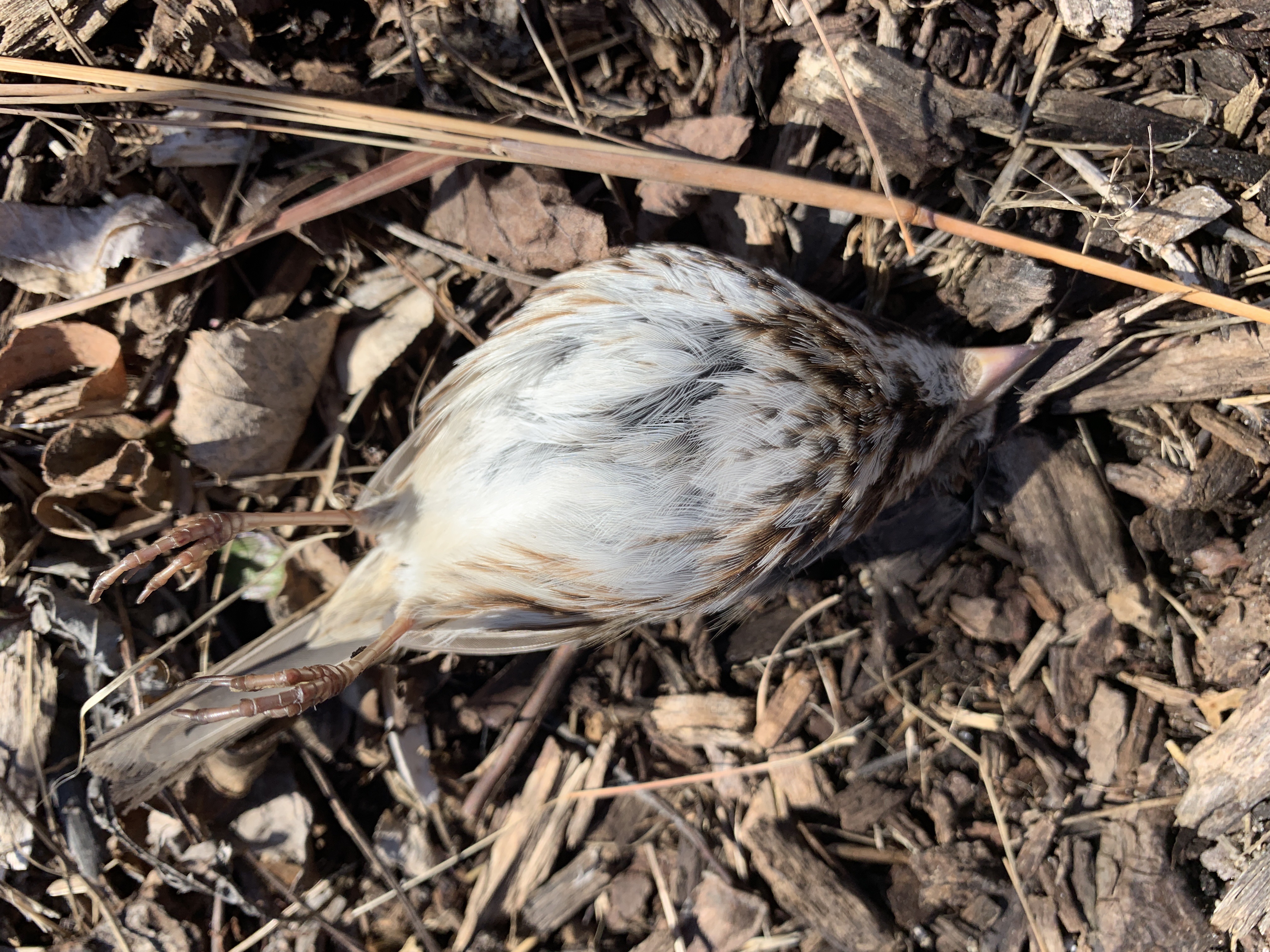
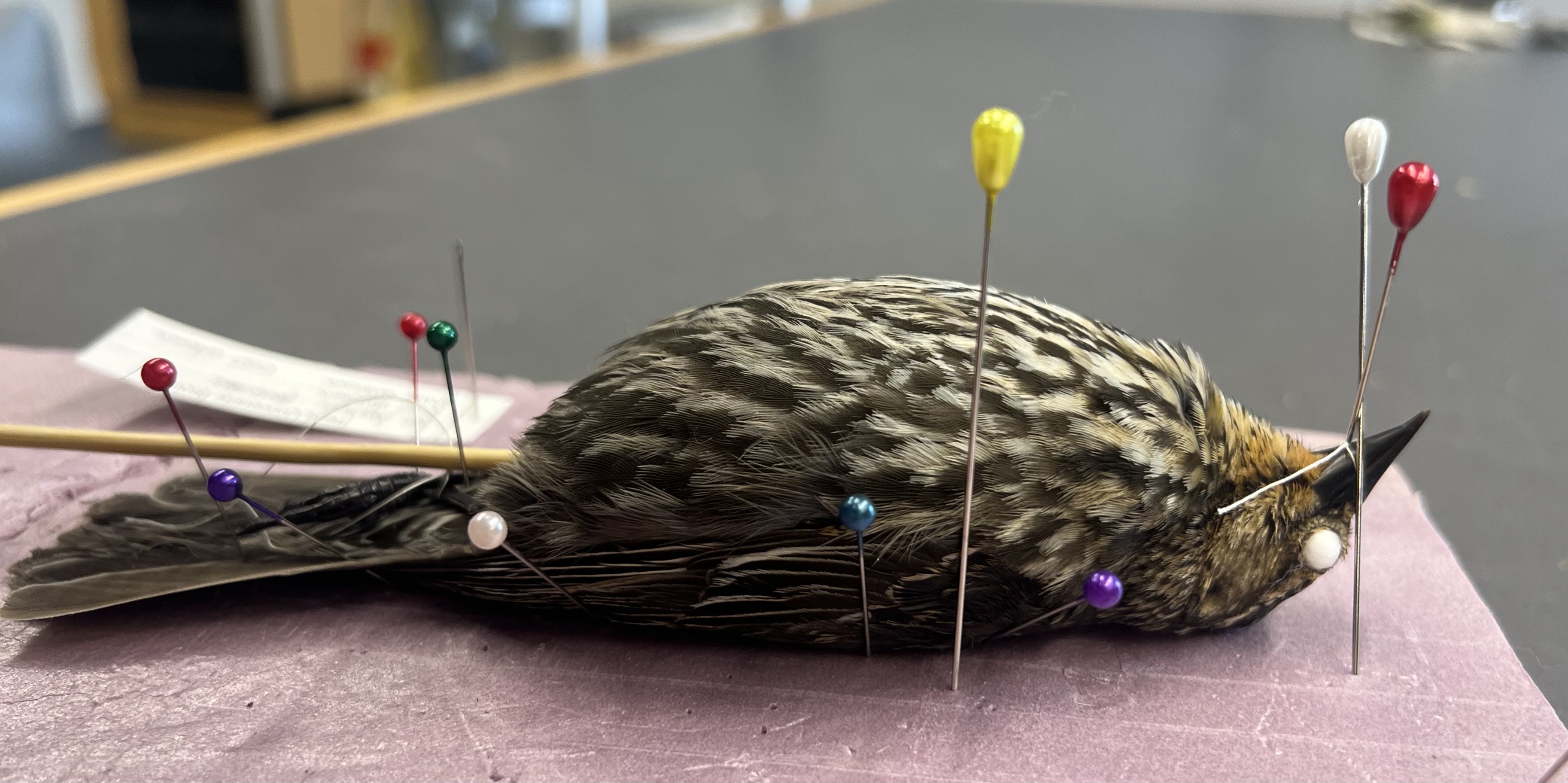
A Fox Sparrow killed by a window collision.

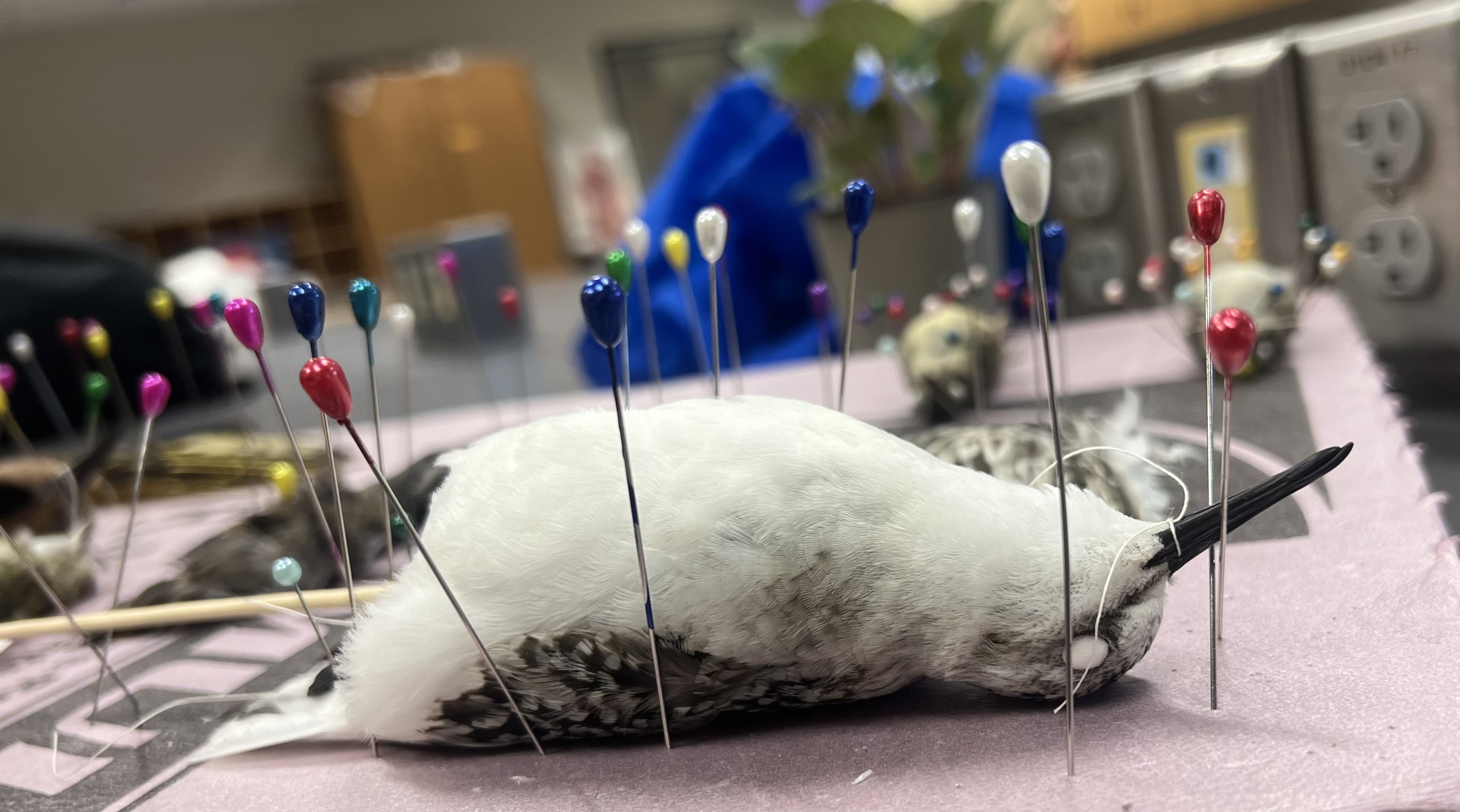
Window collisions remain as one of the top mortality factors for wild birds. Throughout my time in undergraduate studies, I focused on collaborating with window collision monitors, to evaluate local architecture. We were also able to assess the effectiveness of common window deterrents and create programming to educate homeowners on bird-safe design. Further information can be found here or through one of the bird-safe workshops. I currently manage the Trent University Study Skin Collection and welcome any collision specimens as they can be used in education and research. If you have found a bird, please note the location, date, and your contact so that the bird can be recovered and used for research and education as a part of the Trent University Collection.

An American Robin killed by a window collision.

Poultry Shows

Working with other judges at a poultry show.

I continue to judge a local county fairs as a poultry judge. While I am not currently APA certified, I enjoy youth and open shows and have experience judging meat, breed, and showmanship classes. My focus as a breeder has been primary Asiatic breeds, like the Brahma. I have 8 years of experience working in the field and intend to eventually pursue APA certification when I complete my degree.

Contact

Contact: megan.c.heft@gmail.com

Elements

Text

This is bold and this is strong. This is italic and this is emphasized. This is superscript text and this is subscript text. This is underlined and this is code: for (;;) { ... }. Finally, this is a link.


Heading Level 2

Heading Level 3

Heading Level 4

Heading Level 5
Heading Level 6

Blockquote

Fringilla nisl. Donec accumsan interdum nisi, quis tincidunt felis sagittis eget tempus euismod. Vestibulum ante ipsum primis in faucibus vestibulum. Blandit adipiscing eu felis iaculis volutpat ac adipiscing accumsan faucibus. Vestibulum ante ipsum primis in faucibus lorem ipsum dolor sit amet nullam adipiscing eu felis.

Preformatted

i = 0;

while (!deck.isInOrder()) {
    print 'Iteration ' + i;
    deck.shuffle();
    i++;
}

print 'It took ' + i + ' iterations to sort the deck.';

Lists

Unordered

  • Dolor pulvinar etiam.
  • Sagittis adipiscing.
  • Felis enim feugiat.

Alternate

  • Dolor pulvinar etiam.
  • Sagittis adipiscing.
  • Felis enim feugiat.

Ordered

  1. Dolor pulvinar etiam.
  2. Etiam vel felis viverra.
  3. Felis enim feugiat.
  4. Dolor pulvinar etiam.
  5. Etiam vel felis lorem.
  6. Felis enim et feugiat.

Icons

Actions

Table

Default

Name Description Price
Item One Ante turpis integer aliquet porttitor. 29.99
Item Two Vis ac commodo adipiscing arcu aliquet. 19.99
Item Three Morbi faucibus arcu accumsan lorem. 29.99
Item Four Vitae integer tempus condimentum. 19.99
Item Five Ante turpis integer aliquet porttitor. 29.99
100.00

Alternate

Name Description Price
Item One Ante turpis integer aliquet porttitor. 29.99
Item Two Vis ac commodo adipiscing arcu aliquet. 19.99
Item Three Morbi faucibus arcu accumsan lorem. 29.99
Item Four Vitae integer tempus condimentum. 19.99
Item Five Ante turpis integer aliquet porttitor. 29.99
100.00

Buttons

  • Disabled
  • Disabled

Form